21 Day Challenge|Recap

Final Recap

Over the past 21 days I have made lifestyle changes and improvements in order to create a greener diet and household, reduce my personal waste and to find new environmentally friendly activities. The challenge has brought alone challenges of itself and definitely made me reflect of my life choices in my every day routine. Besides the change in diet I had great support and collaboration with my friends and family, always willing to help me out with projects. I personally believe that the changes I have made in this challenge I will continue and the mindset I’ve created about making my life as environmentally sustainable as I can will continue to benefit me and people surrounding me for years to come. I have concluded with the thought that this challenge should be introduced into every school. Specifically High School’s where children are creating their own blueprint for their futures. It would be a great project for a lifestyle or health class.

What I found the hardest:

The thing I definitely found the hardest was changing my diet and food choices. For example one day my family and I were out in town and I needed to get food of some sort. I would regularly just go to a fast food place but with my challenge in mind I went to Booster juice where I ordered a dairy free smoothie in a paper based cup and used a compostable straw. These were changes that were much more time consuming to make in the beginning because I had to think really hard before eating. Also being only sixteen it became a difficulty to make food changes not being the one who decides what we’re eating for dinner. This brought along opportunities for me to think creatively in order to stick with my plan.

What I’ve enjoyed the most:

The thing I’ve enjoyed most about this challenge is the sense of personal awareness you gain from taking a step back and evaluating your lifestyle. I have learnt so many new things and created so many positive and healthy habitat over the past month.

What I found most interesting:

I don’t believe I’ve ever realized how large my carbon footprint is based off of free time activities. This month I was able to learn how to change that and also explore and learn more about my local area.

Things I would’ve done differently:

If I were to give advice to someone starting a 21 day challenge I would encourage weekly goals. As my blog posts show, I separated my challenge goals into chapters. I would suggest doing something like have one or two small goals from each chapter set for a week. That way with school or work you can be flexible but still have a reasonable timeline.
21 Day Challenge|Ch.4

Environmental Activity Ch.4

In the first half of Ch.4 I chose to find three close in proximity activities to replace my long drives to big cities where are usually complete my monthly excursions. Now I want to tackle finding five ZERO emission activities that I can complete to fill spare time throughout my months when board. The five activities include; kayaking in my lake, going to my local beach, gardening with mom, going for a family bike ride and camping in my backyard with my friends.

My parents and I roughly calculated that driving nowhere this week for fun activities would save me about 50 L of gas consumption.

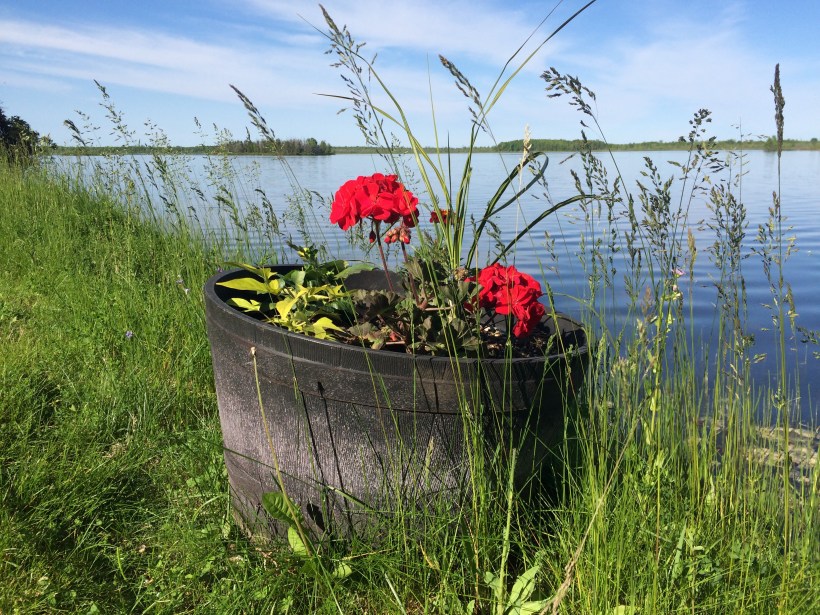
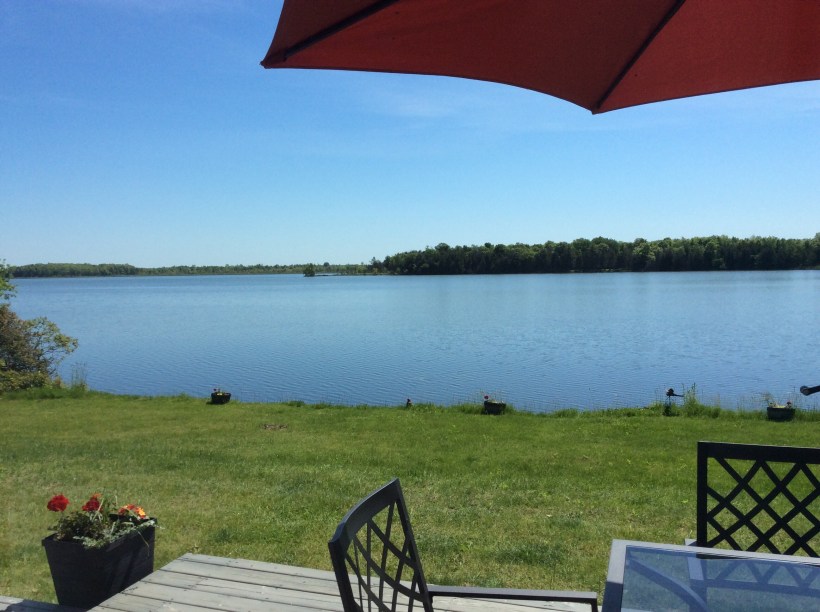
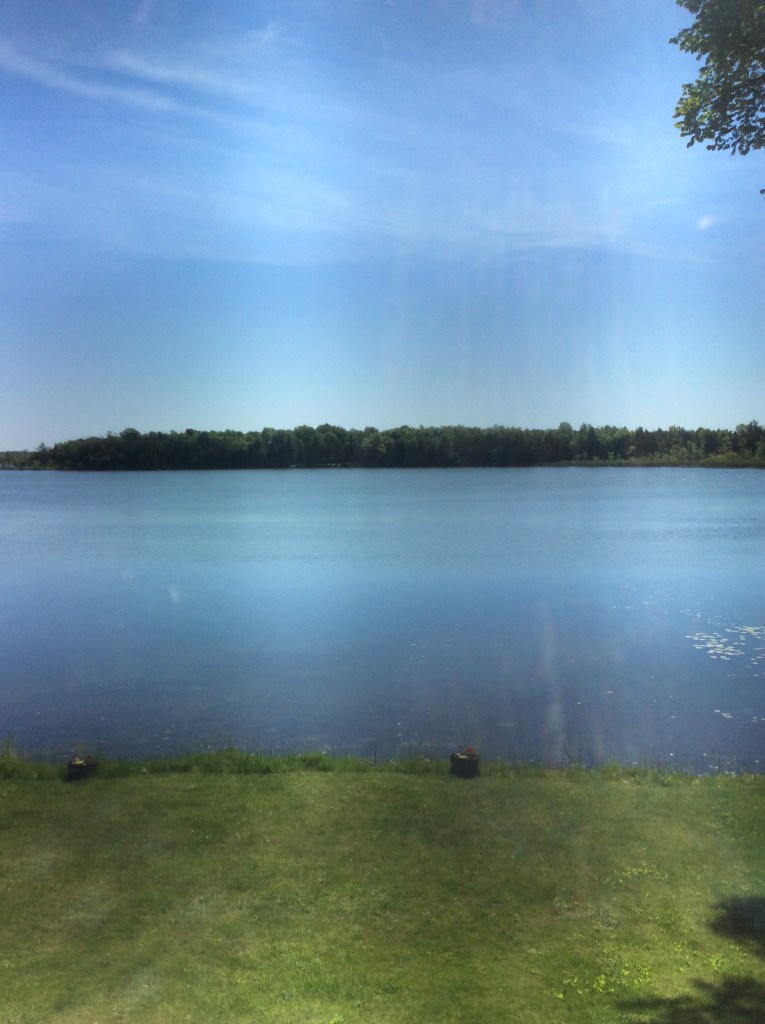
Monday I went kayaking as soon as I got home from school. The water was calm and the sun was out. Kayaking in my lake produced zero emissions. I also read that keeping busy in your lake helps circulate the water and oxygenate it. Our lake is full of soot and I read activities such as swimming and kayaking within it helps the lake oxygenate and recover naturally.

My Lake

That same Monday, after kayaking I went on a bike ride with my family. We were gone for about 30 minutes. Long enough to get in a workout, a tan and a relaxing activity to wind down the day. Biking is a great way to have fun and workout all without releasing any toxic emissions. Another great thing to point out about biking is it’s a great activity to do with as many family and friends you would like! Get the whole family involved!

Tuesday I walked (8 minute walk) down the road to our lakes boat launch. Here the lake has rocks and very little soot. Many locals swim here and it took zero emissions in order to complete.

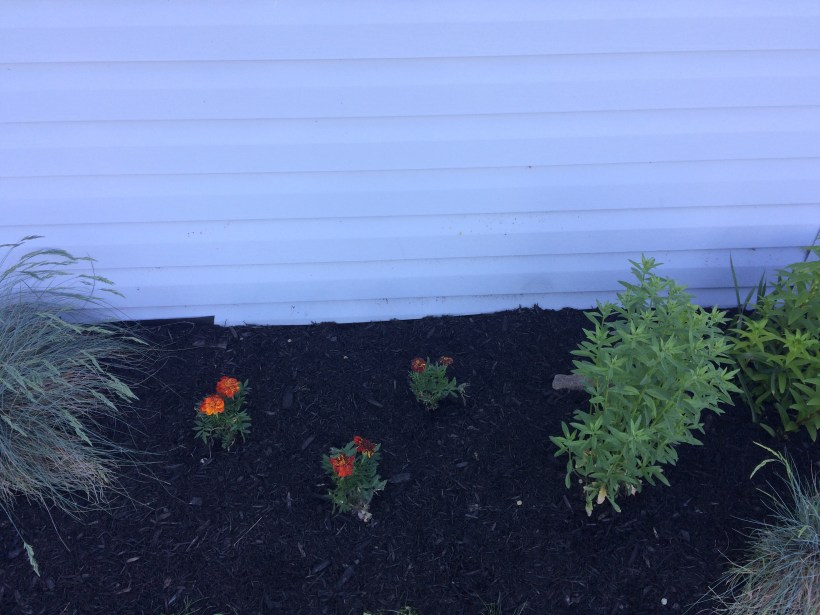
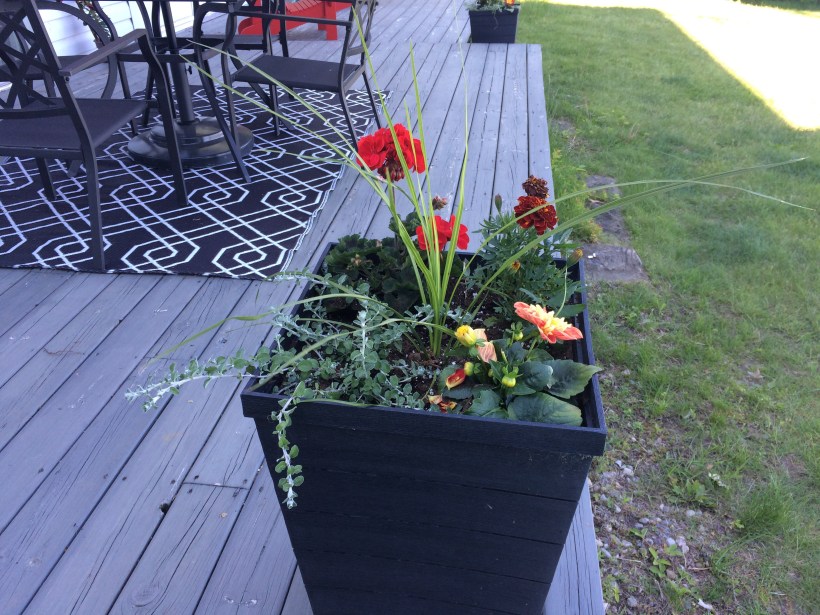
Thursday I gardened with mom. We had already started our vegetable garden but also wanted to plant some pretty annuals in our flower pots around the property. In general any flower planted is environmentally appreciated for its photosynthesis process and benefits to the soil. It also made our backyard look ready for summer! The marigolds that we planted also are a natural bug deterrent reducing our use of pesticides outdoors.

Flower Garden

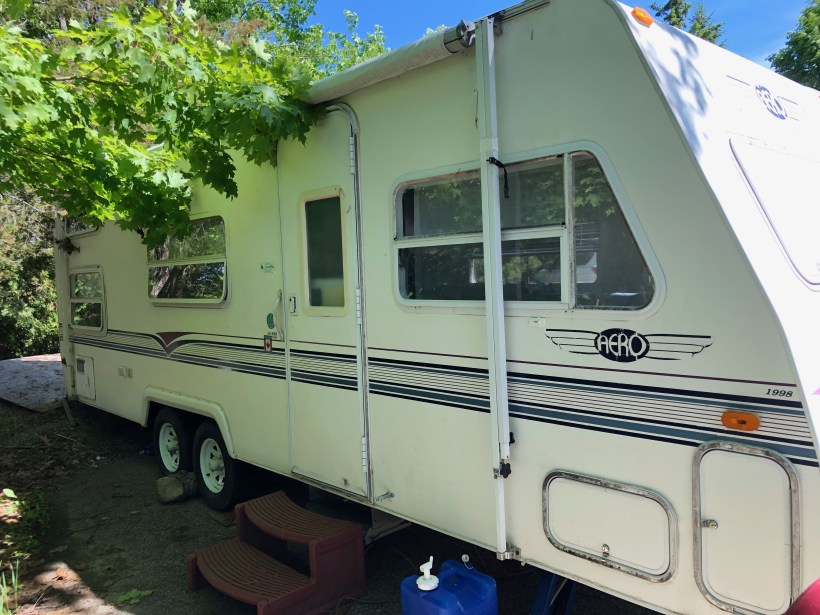
Lastly Friday, myself along with three other friends slept outside in my friends trailer. We didn’t drive the trailer anywhere or need to pack anything since we were right outside her home but the experience is just as fun! Camping outdoors with friends in your own backyards may seem lame but it’s actually extremely fun, has no cost and produces zero emissions.

Ashley’s Trailer

This week I’ve realized the endless amounts of activities I have surrounding me that produce ZERO emissions. I encourage everyone to try the ones I’ve listed above as well as try and find zero emission activities unique to your local area.

21 Day Challenge|Ch.4

Environmentally Acticity. Ch.4

The next problem I want to tackle is my excess amount of transportation throughout the week. My carbon footprint is constantly rising with me trying to find new and fun activities as my high school years go on. Instaed of looking locally I usually look outside in the bigger cities such as Kingston and Ottawa. These cities are over an hour away from my home without trafic. I decided that I would try and find new local activities as well as zero emmsions activites to conduct over the next week.

Car Pollution Facts:

The three main forms of pollution are air, ground and water.

Cars are the reason for over half of the carbon monoxide pollution in the air.

Cars are also the contributers of 34% of nitrogen oxide and all volitile organic compounds.

Car pollution negitivley affects humand and plant repiratory systems.

The average carbon dioxide emmsion that is produced per an average vehicle is 4.75 metric tons per year.

The first half of Ch.4 I dedicated to finding activites that were a shorter distance away. I found three destinations that I visited over the course of a week,.

The first destination was the Delta Park. The delta park has a canteen, hiking trails, fishing, biking trails, and a beach. From my house it is a 17 minute drive, 43 minutes less of a drive then to Kingston or to my normal beach I visit which is 2 hours away in Picton.

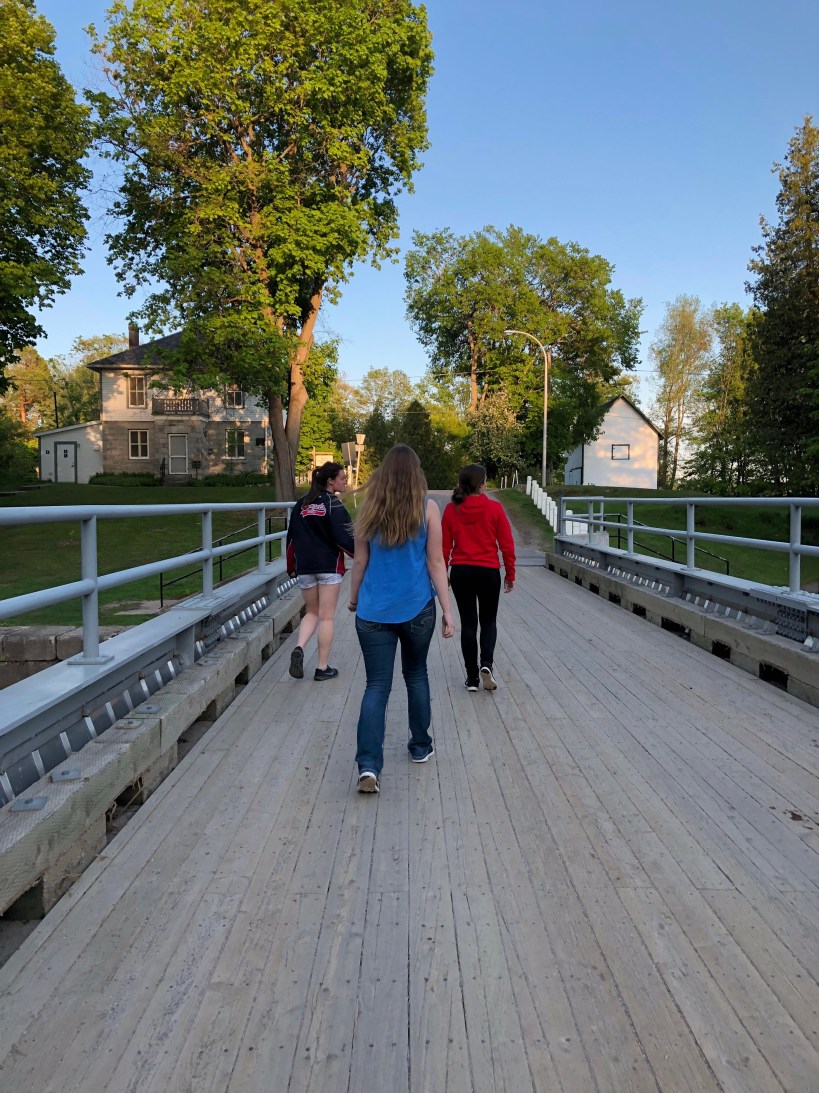
The second destiation I visited was the opinicon. The opinicon is a local waterfrount resort where you can view the locks, as well as a restaurant, and ice cream shop. This was my furthest visit and it was 30 minutets away.

Walking across the locks at the Opinicon.

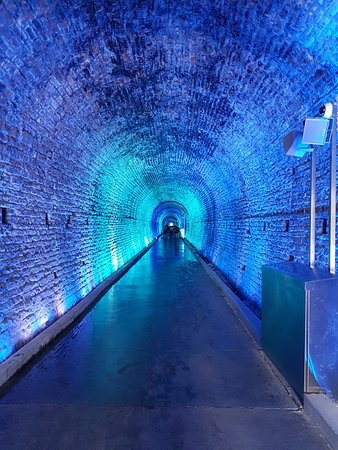
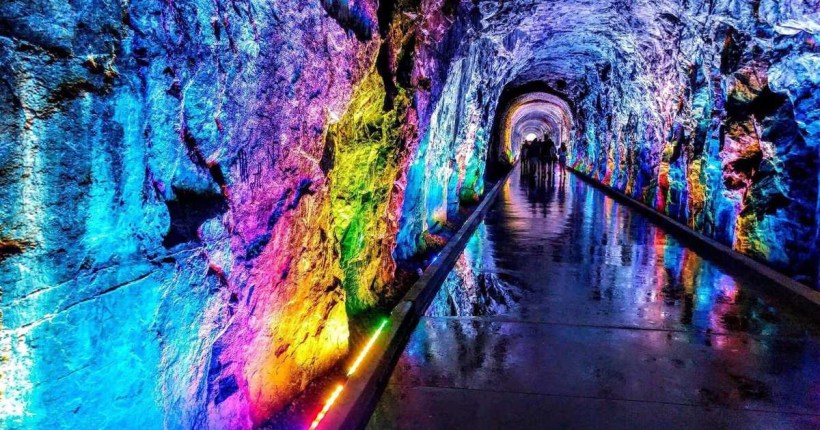
The third destination was Brockville waterfrount. I visited the Brockville light tunnel, the Brockville boardwalk and the famous red chairs that view the United States. Brockville is only 20 minuetes and fulfills an entire day of activities that I’d usually try and complete in Ottawa which is over an hour away.

What I’ve learnt of this half of Ch.4 is how to find just as amazing and entertaining activities to fill my months within the close proximity of my home. Not only does this reduce my carbon footprint but also supports the communities around me.

Ps. For the purpose of this weeks experiment I chose to do all three in one week. In general Life though I’d spread these activities out across a month.

21 Day Challenge|Ch.3

Reduce peronal waste. Ch.3

In the first post of chapter 3 I tackled the issue of garbage I have in my hand for short periods of time. Today’s post is planned to show you how I am making lifestyle changes in production of long term personal waste. An example of this is going on large shopping sprees. Around twice a year I go on a larger shopping spree, once before fall and winter and once before spring and summer. These shopping sprees seem fun at the time, but soon enough you’ll find me cleaning out my closet to make room for more. Its not only the issue of buying more but it’s the problem of constantly buying new.

Every garmet bought used is one less fabricated, transported and then thrown away. Have you ever heard the saying “one mans trash is another mans treasure”? The production of clothing specifically synthetic fibers such as polyester requires a lot of energy and crude oil as well as it produecs byproducts such as toxic gases and toxic chemicals. Even cotton and linen plants are sprayed with pesticieds and still impact the environment greatly. Production of clothing is also a huge water consumer. It takes 5,300 gallons of water to grow one kilogram of cotton.

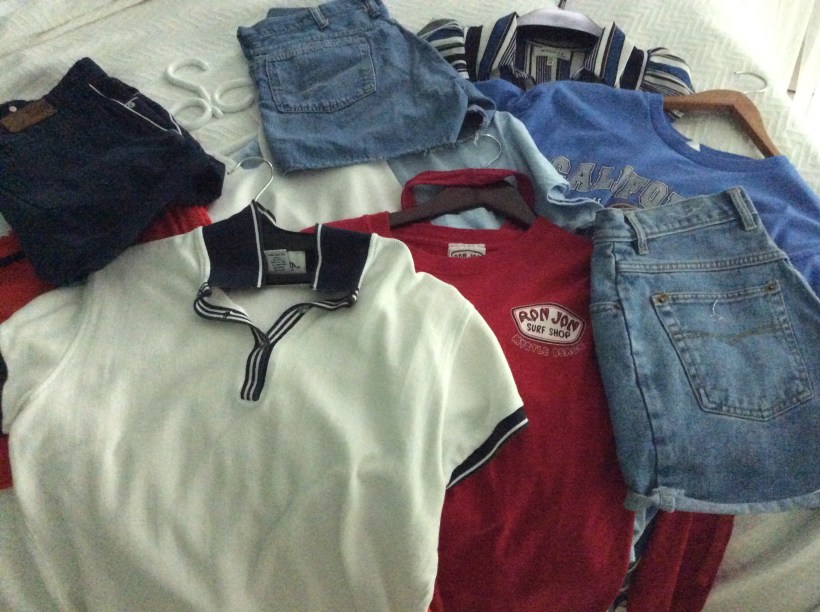
I decided when I created my 21 day challenge outline earlier this spring that instead of going shopping at the mall for my new spring and summer clothes that I would thrift them. I was surprised by the amount of items I found and was quite proud to have completed the entire shopping trip within one thrift store.

All the items I found during my shopping trip.

Benefits of thrifting:

Environmentally healthier

Unique finds

Cheaper

21 Day Challenge|Ch.3

Reduce Personal Waste Ch.3

The problem:

I chose the goal to reduce my personal waste because I believe its one of my largest parts of my footprint. It is said that every two hours we throw out enough waste to fill the worlds largest container ship. The average American produces 29 pounds of personal waste each week. It is expected that by 2030 the amount of household waste produced will double.

The problem with personal waste is once we are done with it, it is easy to believe you have no impact after. The truth is once we give our personal waste to our local dump our curbside pickup it then goes to landfills or is burned. The action of burning waste is the worlds largest source of dioxins, which is an extremely toxic chemical.

My actions:

My first thing I wanted to focus on was my “quick throw away” items. These are things I receive quickly and in return throw away right after. Some examples would be a plastic bag at the grocery store, a plastic straw at Starbucks, using a Keurig cup in the morning before school, etc. all these items I use weekly but am usually in such a rush that I don’t think twice when throwing them away. There are approximately 500 million plastic straws used daily worldwide and 1 trillion plastic bags are used and then thrown away daily worldwide.

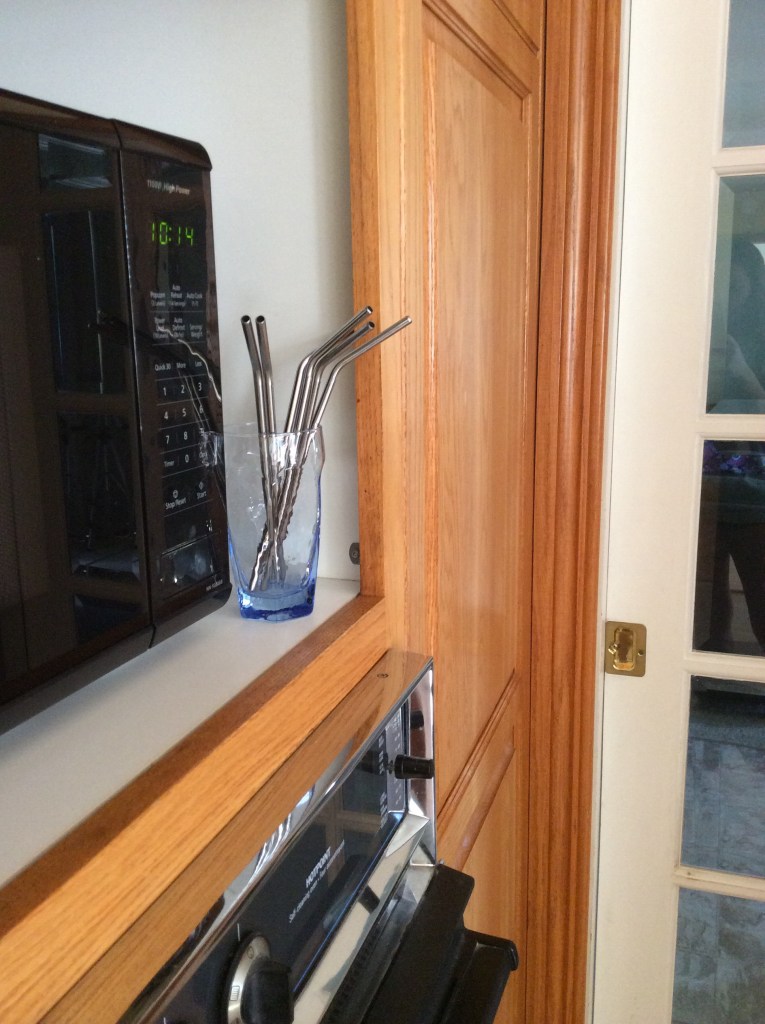
First, I needed to collect my supplies. I already have stainless steel straws and reusable cups but they were not somewhere that I had easy access to. I moved my straws from the “unknown” draw over into an open container by the kitchen entrance. I did this so when leaving I could grab them on the go and have no excuse. I also moved my reusable cups out of the back of the cupboard to a easy access cabinet above the sink. Once again, I was moving my tools to a spot where I knew that even in a rush I could still grab them and take them wit me. A great tip is to put these things in places you’ll be anyways. I put the cups and straws near the sink and doorway, two places I go multiple times everyday and pass when leaving the house.

Now that I have my G2 and enjoy driving, I am usually the one who will go and pick up the groceries for the family. This means I am the one in charge of bagging and transporting the groceries home. When looking at my lifestyle I realized that when I get to the grocery store I automatically think about using reusable bags, but most of the time I’ve left without them. Therefore, I chose to collect 10 reusable bags we had lying around the house and put them underneath the back seats of my car. I suggest putting as many as 10 because sometimes you come home and unload the groceries but forget to put the bags back right away. Having plenty of bags ensures that even if you forget to put the ones you use back right away there will still be some there for use.

What I accomplished:

Recognizing habits, I had within my own lifestyle and changing them in order to reduce my personal waste.

What to do:

So, there is obviously a world crisis on how we deal with our waste. I believe the world should focus on more cradle to cradle approaches. The diagram below explains further.

Stainless Steel Straws at kitchen exit and pile of reusable bags that were brought to my car.

21 Day Challenge|Ch.2

Green Household Ch.2

Continuing on from the last blog chapter 2 I wanted to continue to make changes in my home property in order to make my house greener.

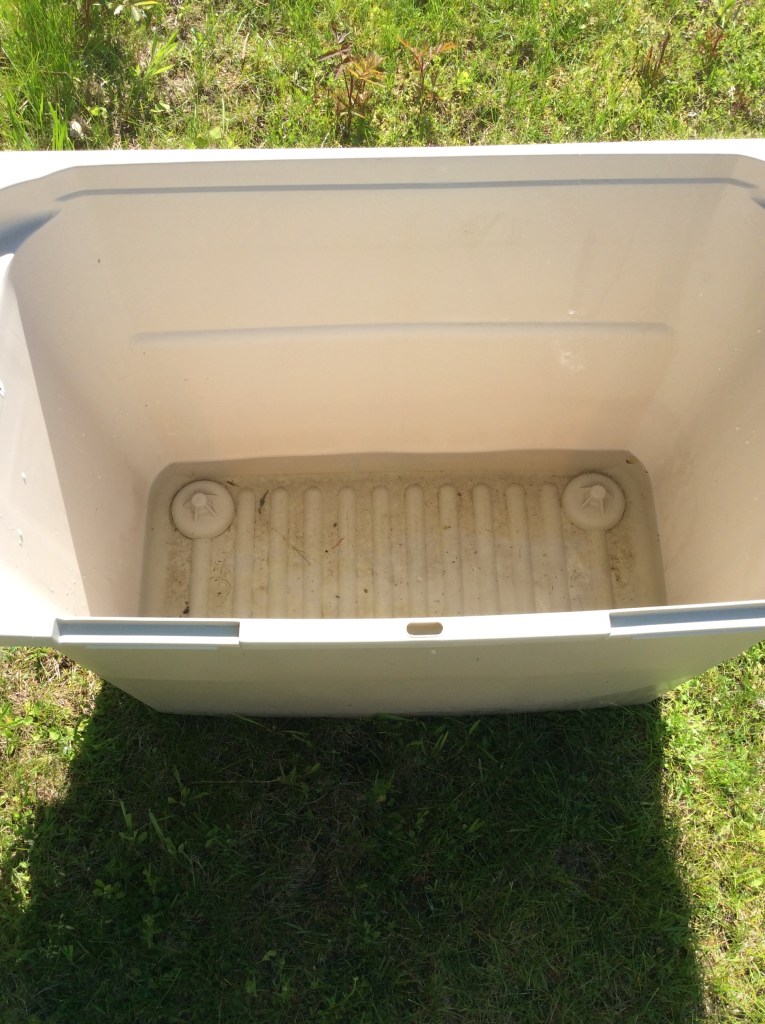
Now with all the gardens and the warm dry summer approaching something I believe was important was to create a rainwater collector in order to keep a healthy garden and sustainably use of a water source to water them. The average household uses 320 gallons of water per day. 30% of which is used for outdoor reasons. I wanted to change this and reduce this number drastically by creating my rainwater collector. All I used was a plastic tub and set it outdoors. The first night I put it outside it sprinkled throughout the night. This lead to seeing the first bit of water collected!

After first night outdoors-Rainwater collector

This being my last post of Green Household chapter 2 I wanted to make some changes with in my home as well. The first thing I wanted to add inside my home was a shower timer. With their only being three of us, saving warm water for the next person is never a problem. This results in unnecessarily long showers. Showering is the third largest water user. Average shower uses 2.1 gallons of water per minute. I decided to create a timer for our showers. This was an easy task to add to our every day routines but while making a huge positive environment impact. Instead of using a normal timer I created a playlist of three songs that made up 10 minutes and Bluetooth this playlist to our shower speaker. This limited my shower to 10 minutes and throughout my shower I approximately knew how much time I had use and how much time I had left according to the songs that were playing.

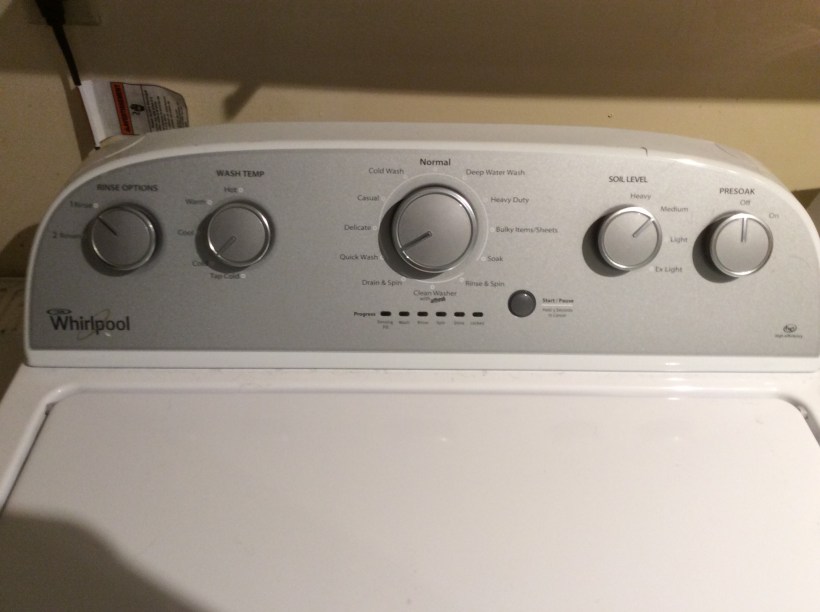
The third and final green house improvement I wanted to make was to make changes to our presets of our dishwasher and washing machine. In this task I turned off pre-rinse and turned on air dry for our dishwasher. For our washing machine I changed double rinse to one rinse and turned the temperature to cold/warm instead of warm/hot. The average washing machine uses 40 gallons of water per load. A washing machine also uses 400 to 1300 W of electricity per load. A dishwasher uses 1200 to 2400 W of electricity per dish load.

Changed settings on washing machine

21 Day Challenge|Ch.2

Green Household Ch.2

Our household currently has made many right steps in the “green” direction. My home has geothermal heating and cooling as well as LED lights,

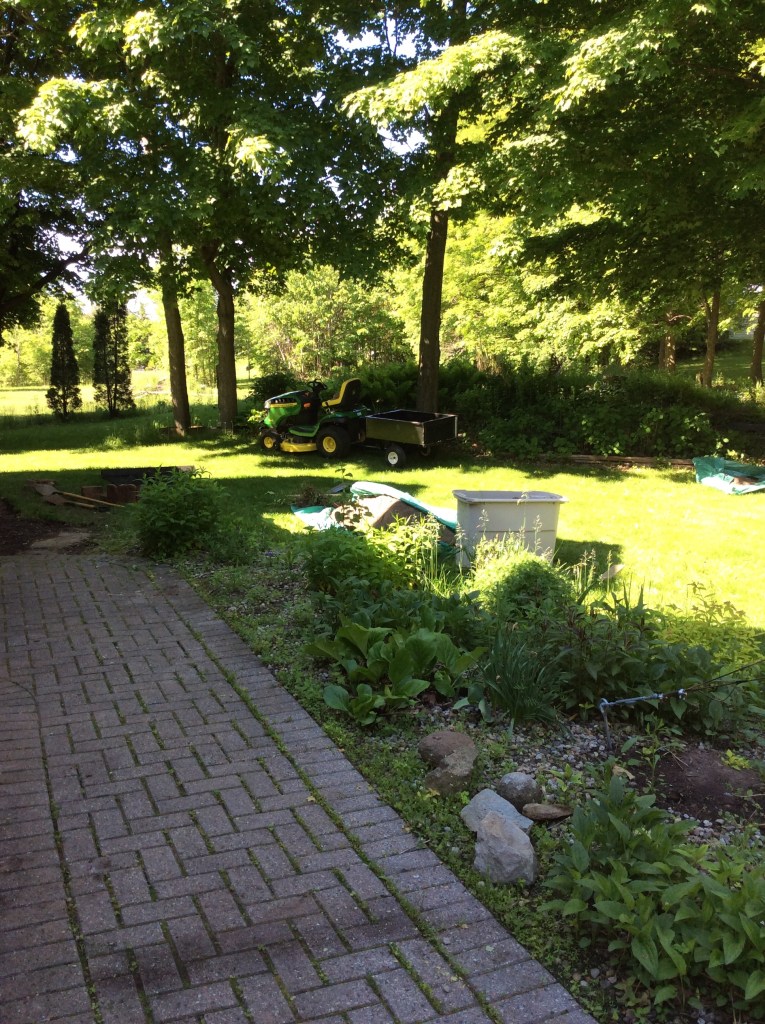
Something I wanted to work on this week was utilizing our 3 acres of land and creating a sustainable and environmentally friendly project using our land. I decided to nurse our vegetable garden back to planting conditions and to improve our flower gardens to positively use our land and create less land to cut (less lawn mower gas used and burned) and to plant and revive important vegetation in my yard for soil nutrient and air purification reasons. Home gardens are a great way to eat sustainably and reduce chemical and pesticide use that travels into our waterways and environments. Keeping with the outdoor improvements I also decided to clean up and fix our clothes line so that in can be used again in these upcoming warm months. In our convenience, the clothes line completely broke and we were able to order online a brand new line.

Flowers we planted around the property

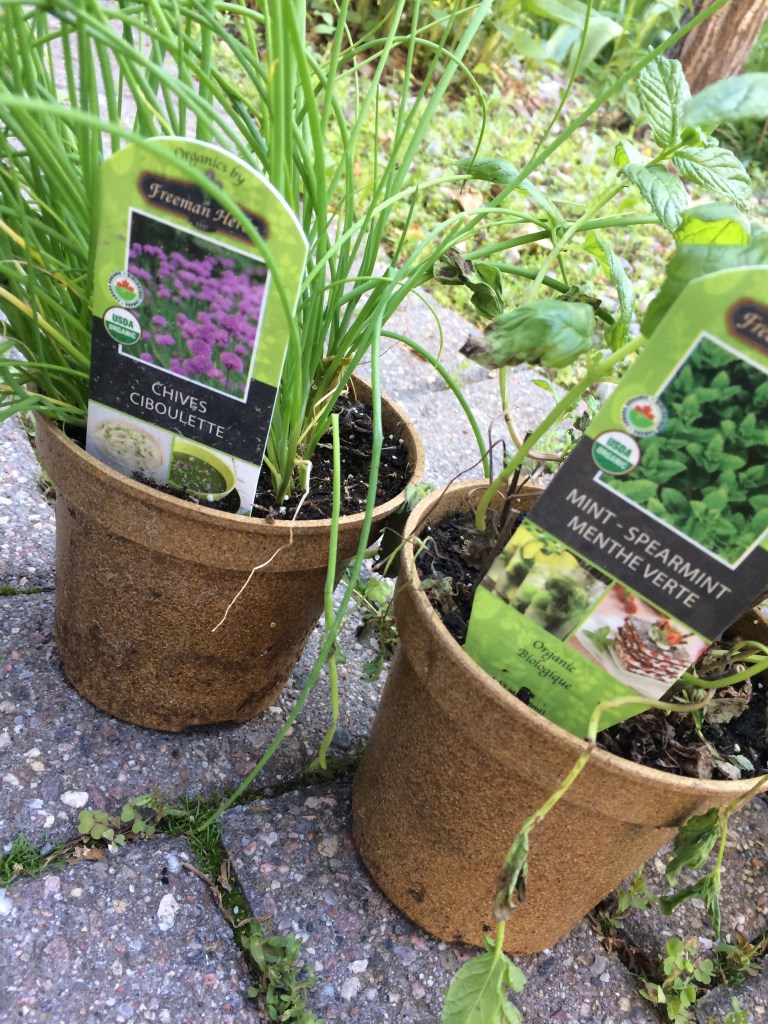
Future garden herbs

To give reason behind my task choices here are some statistics:

• One cycle of a drying machine uses 4 kW an hour of energy and produces 1.8 kg of CO2.

• And a weighted dryer that is used three times a week will produce 160 kg of CO2 per year.

• Approximately 5.6 billion pounds of pesticides are used EACH year worldwide.

It took a weeks amount of work but mom dad and I worked outside on our gardens. We are almost complete and once the rainy weather lightens up and summer approaches, I can plant all sorts of fruits, vegetables, and herbs in our garden to enjoy.

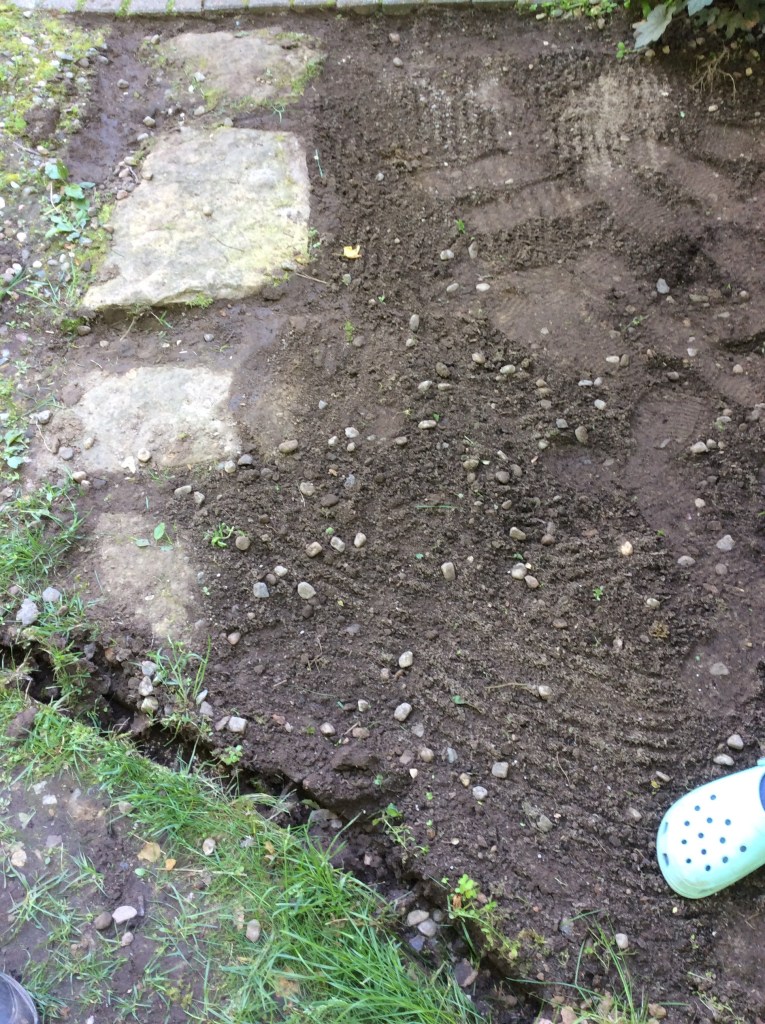
Our progress on where our future vegetable garden will be.

Our Garden

21 Day Challenge|Ch.1

Green Diet Ch.1

For my final post of chapter 1 green diet of my 21 day challenge I will be looking at the waste side of my diet. I’ve already accomplished the making changes to what I’m consuming in the previous post but now I need to work on making how I buy that food to be less impactful.

When shopping as a family we tend to buy few fruits and vegetables from local farmers markets but rather the prepackaged ones from the grocery stores. Also living far from a Costco we tend to not buy in bulk but rather smaller package quantities. Another negatively impact full thing I realized about our food shopping habits is that I personally tend to buy individually wrapped things for school lunches. Although a green diet it’s important to be consuming things that are good for the environment it’s also important to be buying things that aren’t causing any other harm such as individually wrapped granola bars, or corn on the cob that comes in a styrofoam tray and plastic wrap around it.

The issue with grocery store bought produce is the throwaway plastic most fruits and vegetables are wrapped in. Food packaging takes up 50% total of packaging sales. The purpose for food packaging is to protect the food, give you information on the food and for many things to market their brand. 1/3 of the average dump is made up of packaging materials many of which come from food packaging. Local food on the other hand not only is good for your own health (helps with allergies and is more nutritious), but it also is fresher, is ripened naturally, you’re eating food that’s in season and environmentally is not transported across the country to but it also is fresher, is ripened naturally, you’re eating food that’s in season and environmentally is not transported across the country to a grocery store causing greenhouse gas emissions and is also not individually package but rather late out naturally in order to be purchased. Local food is also normally a smaller production meaning there are less harmful chemicals used on crops and more manual labour then large emission machines.

So in order to make a difference I decided to purchase our vegetables for the week at a local farm instead of going and buying the plastic wrapped vegetables at our local grocery store. Not only is the food not wrapped in plastic and grown locally but the local farm is also closer and a shorter drive than the main stream grocery store. I also decided that buying in bulk and making my own school snacks instead of buying them pre made would make a huge difference in my “green diet”. I went to two local markets to buy my vegetables such as asparagus (it’s an awkward time for in season fruits and vegetables; strawberries soon) as well as the Brockville Bulk Food Barn to buy school snacks such as pumpkin seeds, chocolate covered raisins, cashews, plantain chips etc. Pro tip: bring light mesh reusable bags to replace bulk food barns plastic ones.

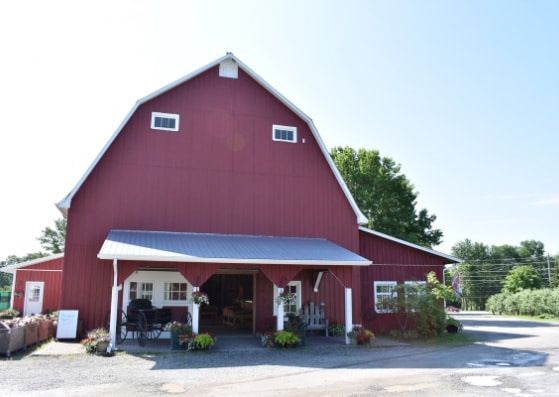
Wendy’s Country Market

Tincap Berry Farm

21 Day Challenge|Ch.1

Green Diet Ch.1

My first task for my 21 day challenge is to create a greener and less environmentally impactful diet. My current diet does include many fruits and vegetables, grains, small amounts of dairy and also a lot of poultry and red meat. In my current personal day I consume meat daily and dairy weekly.

For the average livestock lifecycle it starts with the production of food commonly causing deforestation, then the transportation of food known for large greenhouse gas emissions, followed by the livestock’s life on farmland where farm upkeep produces more greenhouse gas emissions, then the emissions produce during the processing, packaging and transportation to retail sources. Worldwide there are 1 billion pigs, 19 billion chickens, and 1.4 billion cattle bread each year for livestock purposes. Now imagine the lifecycle of livestock times how many of these animals are being bred each year and realize the impact that’s made. Livestock producers 40% of greenhouse emissions world wide… World wide! Livestock is also the most significant contributor to nitrogen and phosphorus pollution in waters worldwide. Cattle ranching is also to be blamed for D4 station in the Amazon. 80% of Brazil’s deforested areas are used for pastor use. The water consumption for our meat and dairy needs in one year is 403,000 L. It has been proven that the lowest environmentally impact for milk is still worse for the environment then the worst soy milk.

So why tell you all this? Well this information is what made me consider and eventually change my mind on how I want to eat in my daily lifestyle. Before researching and considering all this information I never realized how much my diet impacted my environmental footprint. So for this 21 day challenge chapter 1 of green diet I have decided I am going to attempt a vegan-based diet. I believe that changing my diet will create the change in my environmental footprint that I am looking for.

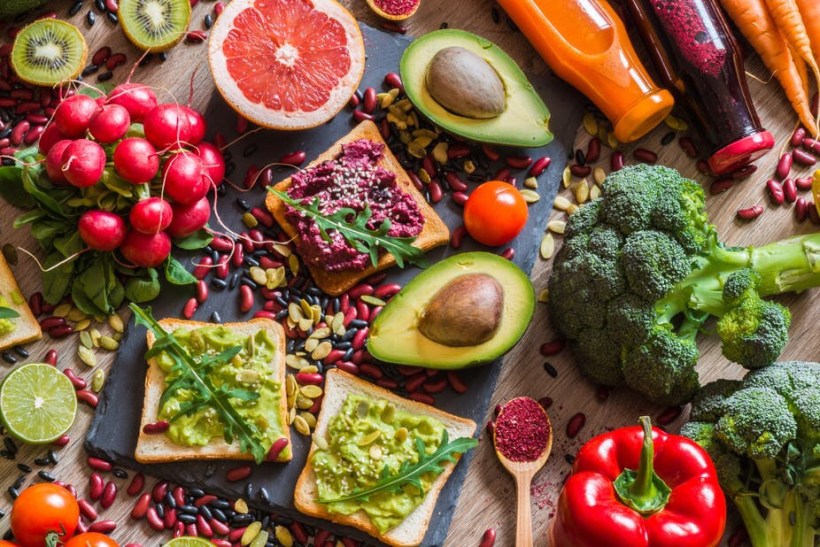
So what will I be cutting out of my daily meals? Ive cut out all dairy and meat products and aimed for a vegan based diet full of healthy and sustainable fruits and vegetables. As well as trying out new sustainable vegan based foods that can replace my dairy and protein needs. I will consume poultry every couple days as an exception.

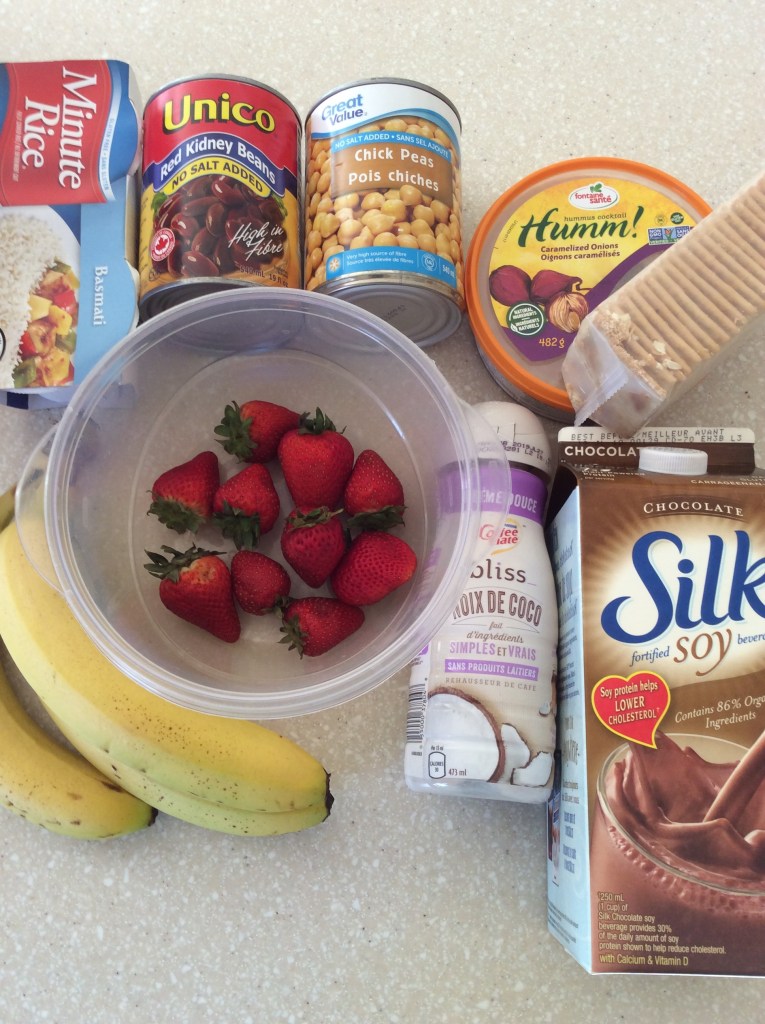
The first couple days have been fine. I’ve replaced milk with soy milk and chocolate soy milk, in my lunches I bring fruits, vegetables and humans as protein and a healthy fat. I’ve enjoyed many vegan pasta salads and even tried a Pinterest recipe of stuffed sweet potatoes for dinner the other day. The hardest part has been making different food choices than mom and dad when they are having a non-vegan meal for dinner.

My favourite products so far

21 Day Challenge

Thanks for joining me on my 21 day challenge. Hopefully my actions inspire you to try and create a 21 day challenge of your own!

Welcome to my 21 day challenge!

Over the next 21 days I will be completing a 21 day challenge in order to create a more environmentally sustainable lifestyle. My blogs will be broken up into two blog posts per chapter resulting in eight chapter blog posts and a recap at the end. The reason I chose these impacts to tackle is because I find they have the largest negative impacts in my lifestyle. My waste production source is my food in my lunches, take out from town, and wrapping on our grocery food. It it said that approximately 500 million plastic straws are used every day in America. Specifically Canadians produce 31 million tons of garbage each year. My red meat consumption has a large impact on my weekly carbon footprint. It is said that animal agriculture is to be blamed for creating more greenhouse gases than the worlds transportation systems. Over the 21-day challenge I plan to eat a vegetarian based diet made with local food. This will rescue the impact my diet has on the environment. Lastly, I want to tackle my activity carbon footprint because I find my weekly activities makes a huge impact on my carbon footprint. The typical passenger vehicle will give off 4.6 metric tons of carbon dioxide each year. Weekly I take trips far out of town just for fun to keep my week “amusing”. I plan to find a new local and non-impactful activity each week day to replace my Kingston trips which are over an hour away.

Chapters:

1- Green Diet- creating a less impactful diet and buying sustainable food sources.

2- Green Household- making changes within my home lifestyle and home itself to reduce the footprint of the house amenities.

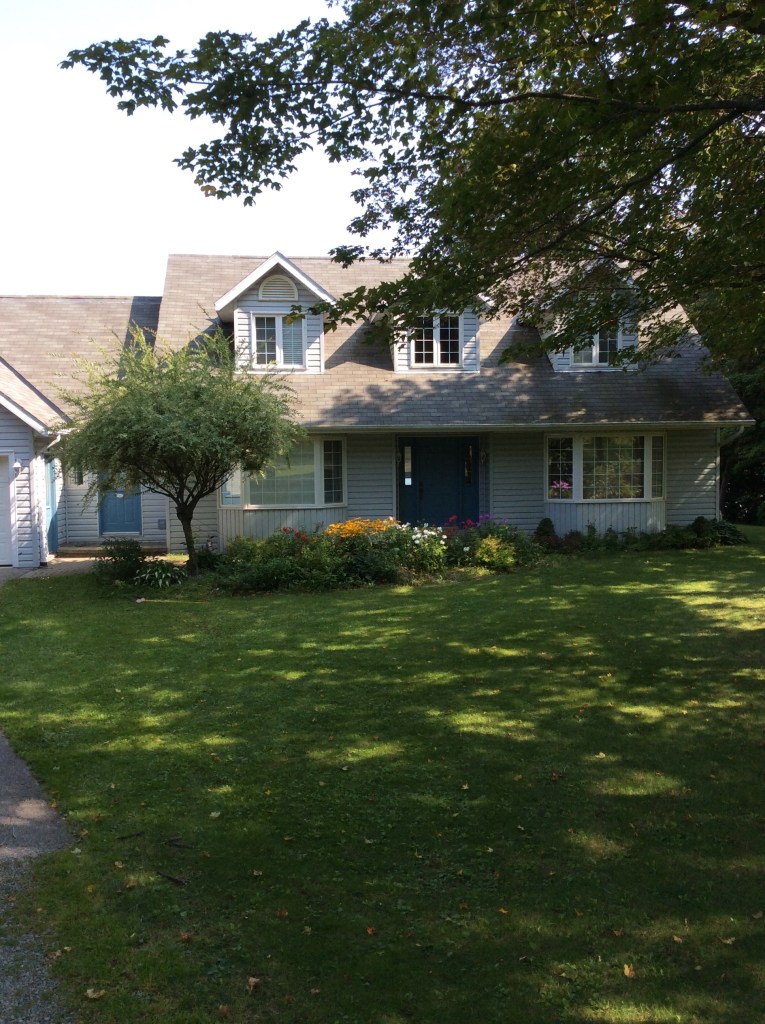
My home

3- Reduce Personal Waste- reducing the amount of waste I produce daily, alongside finding products that will be sustainable for years to come.

4- Environmental Activity- finding closer/local activities to reduce my carbon emissions as well as finding zero emissions activities to implement weekly in my spare time.

Brockville Railway Tunnel

What will I find most challenging?

I believe my biggest struggles with this challenge will be creating a greener diet and my reduction of waste. The reason I believe I will struggle with creating a greener diet is because my family does consume red meat regularly and although we do consume many fruits and vegetables they aren’t regularly local but rather from the states or Niagara. As for my reduction of waste, it’s a habit to just buy what you need and to not focus on finding a product with less packaging or how it’s easy to forget to bring reusable straws and utensils. I believe this will become an easy task once I make it a habit which I can see being challenging.